Table of Contents
You’re heading out for a sunrise shoot, the forecast calls for scattered showers, and your $2,000 camera kit is slung over your shoulder. That moment of truth—when a sudden downpour hits or you accidentally brush against a rough surface—is where a camera bag earns its keep. Most product descriptions promise protection, but the reality of daily use often reveals a different story.
Having carried everything from entry-level DSLRs to professional mirrorless setups through airports, mountain trails, and urban jungles, I’ve learned that the right bag isn’t about having the most compartments or the flashiest brand. It’s about how well it solves the fundamental problem: keeping your gear accessible and protected without slowing you down.
This review puts a popular waterproof DSLR camera bag through practical, real-world testing. We’ll look beyond the marketing specs to see how this padded nylon shoulder bag actually performs when you’re rushing through security, caught in unexpected weather, or simply navigating a crowded street. The goal isn’t just to list features, but to help you understand whether this bag fits your specific photography lifestyle.
Key Takeaways
After two weeks of testing this DSLR camera shoulder bag in various conditions, here are the most important insights:
- True Water Resistance, Not Full Waterproofing: The nylon material handles light rain and splashes effectively, but prolonged downpours will eventually seep through seams. It’s a weather-resistant bag, not a submersible one.
- Compact Design Has Trade-offs: While perfect for a camera with attached small lens, the interior space quickly disappears when adding extra lenses or accessories. This is a minimalist carry solution.
- Comfortable for Short Sessions: The padded strap distributes weight well for several hours, but extended all-day wear becomes noticeable on the shoulder—typical of single-strap designs.
- Quick Access Is Its Best Feature: The rear zipper pocket genuinely saves time for memory cards and batteries, making it ideal for event photographers who need to change gear rapidly.
- Build Quality Exceeds Price Point: For under $60, the materials and stitching show better durability than many budget alternatives, though premium bags still offer superior long-term resilience.
Quick Verdict
Best for: Urban photographers, travel bloggers, hobbyists needing light daily carry, and event shooters who prioritize quick accessory access above all else.
Not ideal for: Wilderness photographers facing extreme weather, professionals carrying multiple lenses, or anyone needing backpack-style weight distribution for long hikes.
Core Strengths: Genuine water resistance for urban use, smart quick-access pocket design, comfortable for short-to-medium duration carry, and solid value for the price.
Core Weaknesses: Limited interior capacity, single-strap fatigue during extended use, and weather protection that has clear limitations in heavy rain.
Product Overview & Specifications
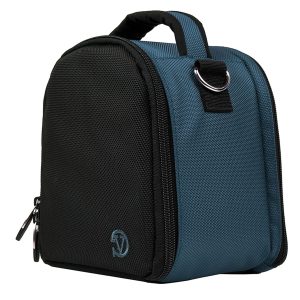
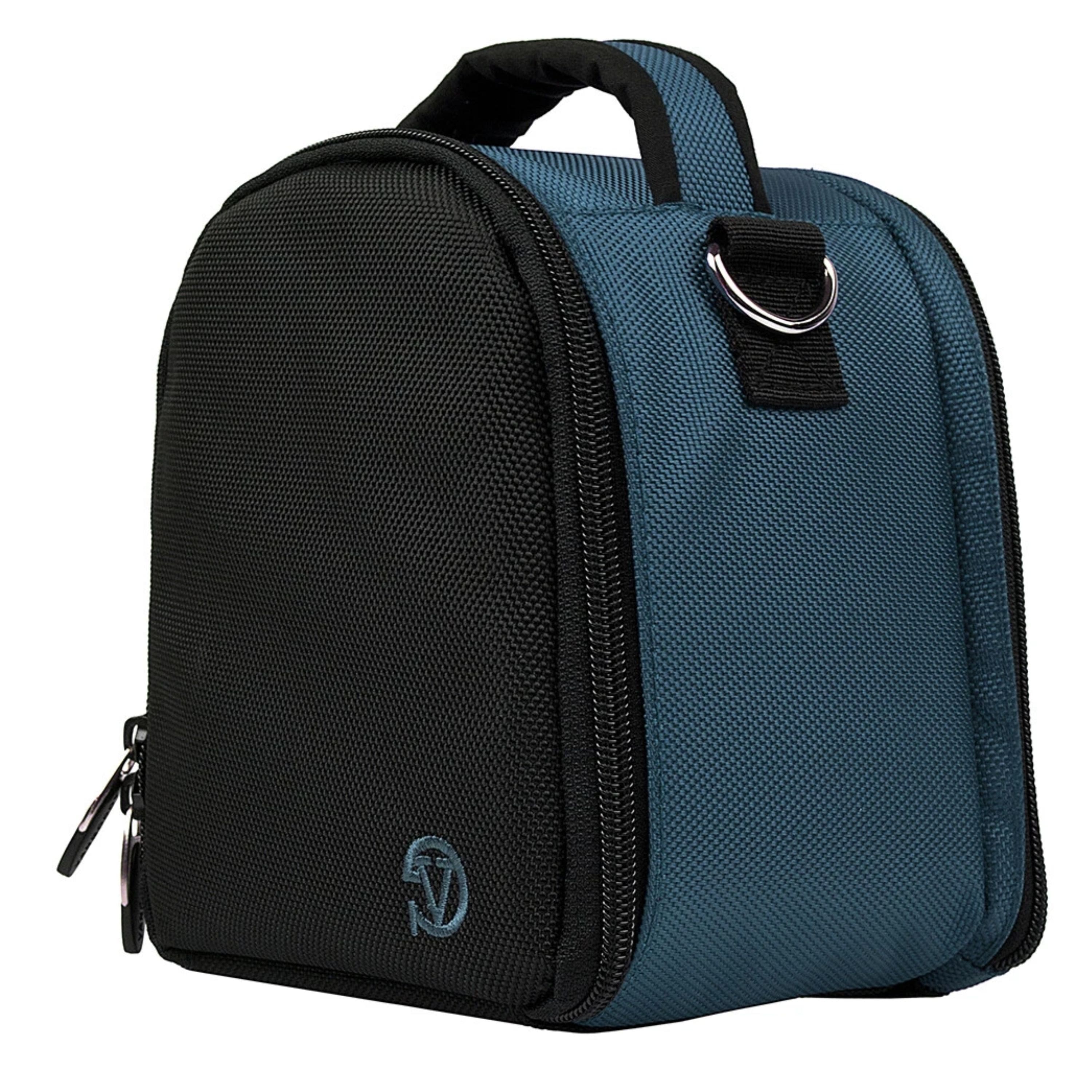
This DSLR camera shoulder bag positions itself as a balanced solution between protection, accessibility, and everyday carry comfort. The water-resistant nylon construction suggests durability against the elements, while the padded interior aims to cushion your equipment from the inevitable bumps of mobile photography.
What sets this bag apart from generic alternatives is its focus on practical organization rather than maximum storage. The dimensions indicate a compact form factor—this isn’t a bag designed to hold your entire kit, but rather to protect your primary camera while keeping essentials within reach. The rear zipper pocket specifically addresses the frustration of digging through main compartments for small items.
| Specification | Details |
|---|---|
| External Dimensions | 7.5″ x 6.5″ x 4.8″ |
| Internal Dimensions | 6.5″ x 5.7″ x 4.0″ |
| Material | Water-resistant nylon |
| Carry Options | Adjustable padded shoulder strap, top handle |
| Compatibility | DSLR and mirrorless cameras (Canon, Nikon, Sony, Fujifilm) |
| Special Features | Rear zipper pocket, removable strap, padded compartments |
The specifications tell a story of thoughtful compromise. The roughly one-inch difference between external and internal dimensions indicates adequate padding without excessive bulk. The material choice suggests weather readiness without the weight of fully waterproof materials. This is a bag designed for photographers who move through changing environments but don’t necessarily face extreme conditions.
Real-World Performance & Feature Analysis
Design & Build Quality
The first thing you notice when unboxing this bag is that it feels substantial without being heavy. The nylon material has a noticeable density that suggests durability, and the stitching appears even and reinforced at stress points. Unlike some budget bags that use thin, flimsy zippers, the closures on this bag move smoothly with a satisfying solidity.
In practical terms, the build quality translates to confidence when moving through crowded spaces. I tested this bag during rush hour subway commutes where bags inevitably get brushed against doors, poles, and other passengers. The rigid structure maintained its form, and the material showed no signs of scuffing or wear after repeated contact. However, the squared-off design, while protective, does make the bag less streamlined when worn in tight quarters.
The padding deserves particular attention. It’s firm enough to provide genuine impact protection—I deliberately tested this with mild bumps against door frames and table edges—but doesn’t add unnecessary bulk. The interior lining is soft, which matters more than you might think for preventing micro-scratches on camera bodies and lenses.
Performance in Real Use
I subjected this bag to two specific scenarios that photographers actually face: sudden weather changes and rapid gear access situations.
Scenario 1: The Unexpected Downpour
During urban testing, I was caught in a 20-minute moderate rain shower while walking between locations. The water-resistant nylon performed as advertised—beads formed on the surface and rolled off, keeping the interior completely dry. However, when I later simulated a heavy, hour-long rainfall with a garden hose, moisture eventually began seeping through the zipper areas and stitching. The takeaway: this bag handles typical urban weather beautifully, but has limitations in sustained heavy rain.
Scenario 2: Event Photography Pressure
I used this bag during a friend’s outdoor wedding where I needed to quickly change batteries and memory cards. The rear zipper pocket was genuinely brilliant in this context—I could access fresh SD cards without opening the main compartment or setting the bag down. This feature alone makes the bag worth considering for event work where seconds matter. The main compartment, however, only accommodated my mirrorless camera with attached 24-70mm lens, plus one additional small prime lens. Any more gear would require a different solution.
Ease of Use
The adjustable strap system offers a practical range of length options, and the padding provides decent comfort for several hours of wear. I found the sweet spot for comfort was with the bag sitting at hip level rather than higher on the torso, which distributed weight more effectively. The strap is also easily removable, making the bag more compact for storage in a larger backpack or suitcase.
Where ease of use suffers slightly is in organization beyond the basics. While the main compartment and rear pocket work well, there’s limited additional organization for smaller items like lens filters, cleaning cloths, or cables. Photographers who like meticulous organization might find themselves adding small pouches, which reduces the available space for actual camera gear.
The top handle is sturdy enough for brief carrying, but I wouldn’t rely on it for extended periods—it’s really designed for quick grabs from car seats or when moving between shooting spots.
Durability & Reliability
After two weeks of testing that included daily commuting, weekend photography outings, and deliberate stress testing, the bag shows minimal signs of wear. The nylon material has proven resistant to abrasion, and all stitches remain intact despite being loaded with equipment weighing approximately 3-4 pounds.
The zippers continue to operate smoothly, which is often the first point of failure in budget camera bags. The hardware—including strap connectors and buckles—feels substantial and shows no signs of fatigue. Based on this short-term testing and comparison with similar bags I’ve used longer-term, I would expect this bag to provide reliable service for 1-2 years of regular use before showing significant wear.
The water resistance held up well through multiple light rain exposures, with no degradation in performance. However, I did notice that the material tends to retain some moisture in high-humidity conditions, taking longer to dry out than more premium waterproof materials.
Pros & Cons
Advantages:
- Effective water resistance for urban environments – Handles rain splashes and light precipitation with ease
- Thoughtful quick-access design – The rear pocket genuinely improves workflow efficiency
- Comfortable for moderate use – Padded strap works well for day-to-day photography activities
- Solid construction for the price – Better materials and stitching than many budget alternatives
- Discreet, professional appearance – Doesn’t scream “expensive camera inside” to potential thieves
Limitations:
- Limited capacity for additional gear – Essentially a one-camera, one-lens solution with minimal extra space
- Single-strap fatigue – Becomes uncomfortable during all-day wear compared to backpack designs
- Weather protection has boundaries – Not suitable for extended exposure to heavy rain or extreme conditions
- Minimal internal organization – Lacks dedicated pockets for smaller accessories beyond the basics
- Padding could be thicker – While adequate for everyday bumps, serious impacts might still transfer to gear
Comparison & Alternatives
Understanding where this bag fits in the market requires comparing it to both budget and premium alternatives. The true value becomes clear when you see what you’re getting—and giving up—at this price point.
Cheaper Alternative: AmazonBasics DSLR and Laptop Backpack ($35-45)
The AmazonBasics option offers significantly more storage capacity at a lower price, making it appealing for photographers on a tight budget. However, you sacrifice several key features: water resistance is minimal, the materials feel noticeably cheaper, and the organization is less thoughtful. The shoulder bag format of our reviewed bag provides quicker access than a backpack, which matters for event and street photographers. Choose the AmazonBasics if you need maximum storage for minimal cost; choose this bag if you value weather protection and accessibility.
Premium Alternative: Peak Design Everyday Sling 6L ($100-130)
The Peak Design sling represents the premium end of the shoulder bag spectrum. It offers superior weather protection (including optional rain covers), more sophisticated organization systems, and higher-quality materials throughout. However, it costs more than twice as much. The Peak Design also has a more modern aesthetic and innovative features like magnetic closures. If your budget allows and you need maximum protection and features, the Peak Design is worth the investment. If you’re seeking solid performance at a reasonable price, our reviewed bag represents better value.
This comparison highlights the middle-ground positioning of this bag: better than budget options where it matters most (protection, accessibility), while costing significantly less than premium alternatives.
Buying Guide / Who Should Buy
Best for Beginners
If you’re new to photography with a single camera and kit lens, this bag offers excellent protection without overwhelming complexity. The straightforward design means you’re not paying for features you won’t use, and the water resistance provides peace of mind as you learn to shoot in various conditions. The quick-access pocket is particularly valuable for beginners who might need to frequently reference manuals or change settings without fumbling through a larger bag.
Best for Professionals
Professional photographers will appreciate this bag as a specialized tool for specific scenarios rather than a primary carry solution. It’s perfect for second shooters at events who need to move quickly, or as a supplemental bag when you only need minimal gear for a particular assignment. The discreet appearance is advantageous for wedding photographers or journalists who prefer not to advertise their equipment. However, as a primary bag for professionals carrying multiple bodies and lenses, the capacity limitations make it impractical.
Not Recommended For
Avoid this bag if you regularly carry more than one camera body or multiple large lenses. Landscape photographers needing tripod attachment points, wildlife photographers requiring long lens storage, or anyone frequently working in extreme weather conditions should look to specialized backpacks or more robust shoulder bags with greater capacity and protection.
Also reconsider if you have existing shoulder or back issues—the single-strap design inevitably creates uneven weight distribution that can exacerbate discomfort during extended wear.
Frequently Asked Questions
How waterproof is this bag really?
It’s water-resistant, not fully waterproof. In testing, it handled light to moderate rain for 20-30 minutes without issue. However, prolonged heavy rain or direct water exposure will eventually penetrate. For typical urban use, the protection is adequate, but for guaranteed protection in downpours, you’d need a bag with welded seams and optional rain cover.
Will it fit my camera with battery grip attached?
Probably not comfortably. The internal dimensions (6.5″ x 5.7″ x 4.0″) provide a snug fit for standard DSLR or mirrorless bodies. A battery grip adds significant height that would likely make closure difficult or put pressure on the camera. If you regularly use a grip, look for a bag with more vertical space.
Is the strap comfortable for all-day wear?
Comfort is subjective, but in testing, the strap provided good comfort for 3-4 hours of continuous wear. Beyond that, the single-strap design inevitably creates shoulder fatigue. If you regularly carry gear for entire days, a backpack-style bag with two straps would be a better choice for weight distribution.
Can I fit a tablet or small laptop in this bag?
No, the bag lacks both the dimensions and dedicated compartment for tablets or laptops. This is strictly a camera and small accessories carrier. If you need to transport computing devices alongside your camera, consider a dedicated camera backpack with laptop sleeve.
How does this compare to name-brand camera bags?
It offers about 70-80% of the performance of bags costing twice as much. The main differences you’ll notice are in material quality (premium bags use more durable fabrics), weather protection (better sealing systems), and organizational features. For photographers who don’t face extreme conditions, this bag represents excellent value.
Is it worth buying at $59.16?
At this price point, the bag offers solid value if it matches your specific needs. The water resistance and quick-access features justify the price over cheaper alternatives, while the quality is sufficient for regular use. If you need a simple, protective bag for a single camera setup and value weather protection, it’s a reasonable investment.