Table of Contents
You’re heading out for a day of shooting, camera in hand, when the weather turns. That light drizzle becomes a downpour, and suddenly your expensive gear is at risk. Or you’re navigating crowded streets on vacation, needing quick access to your camera while keeping it protected from bumps and jostles. This is where most photographers realize their bag choice matters just as much as their camera choice.
I’ve tested dozens of camera bags over my 15 years as a professional photographer, from cheap nylon cases to premium leather messengers. The search for that perfect balance of protection, accessibility, and comfort led me to test this particular waterproof DSLR shoulder bag extensively. After carrying it through city streets, hiking trails, and unexpected rain showers, I’m sharing what actually works—and what doesn’t—in real-world use.
Key Takeaways
- Water resistance outperforms expectations for light to moderate rain, but don’t trust it in heavy downpours without additional protection
- The compact design forces thoughtful packing—perfect for minimalists but frustrating for photographers carrying multiple lenses
- Comfort shines during short to medium outings but the strap padding compresses noticeably after 4+ hours of continuous wear
- Quick-access pockets are well-placed but the main compartment opening could be wider for faster camera retrieval
- Build quality justifies the mid-range price when compared to budget options, but premium features are missing
Quick Verdict
Best for: Urban photographers, travel vloggers, and hobbyists who need lightweight protection with quick access to their main camera and a few accessories.
Not ideal for: Professional shooters carrying multiple bodies/lenses, outdoor adventurers facing extreme weather, or anyone needing tripod storage.
Core strengths: Genuine water resistance, thoughtful pocket layout, comfortable for day-to-day use, and discreet appearance that doesn’t scream “expensive camera inside.”
Core weaknesses: Limited expansion options, average strap padding for extended wear, and the nylon material shows wear patterns more quickly than premium alternatives.
Product Overview & Specifications
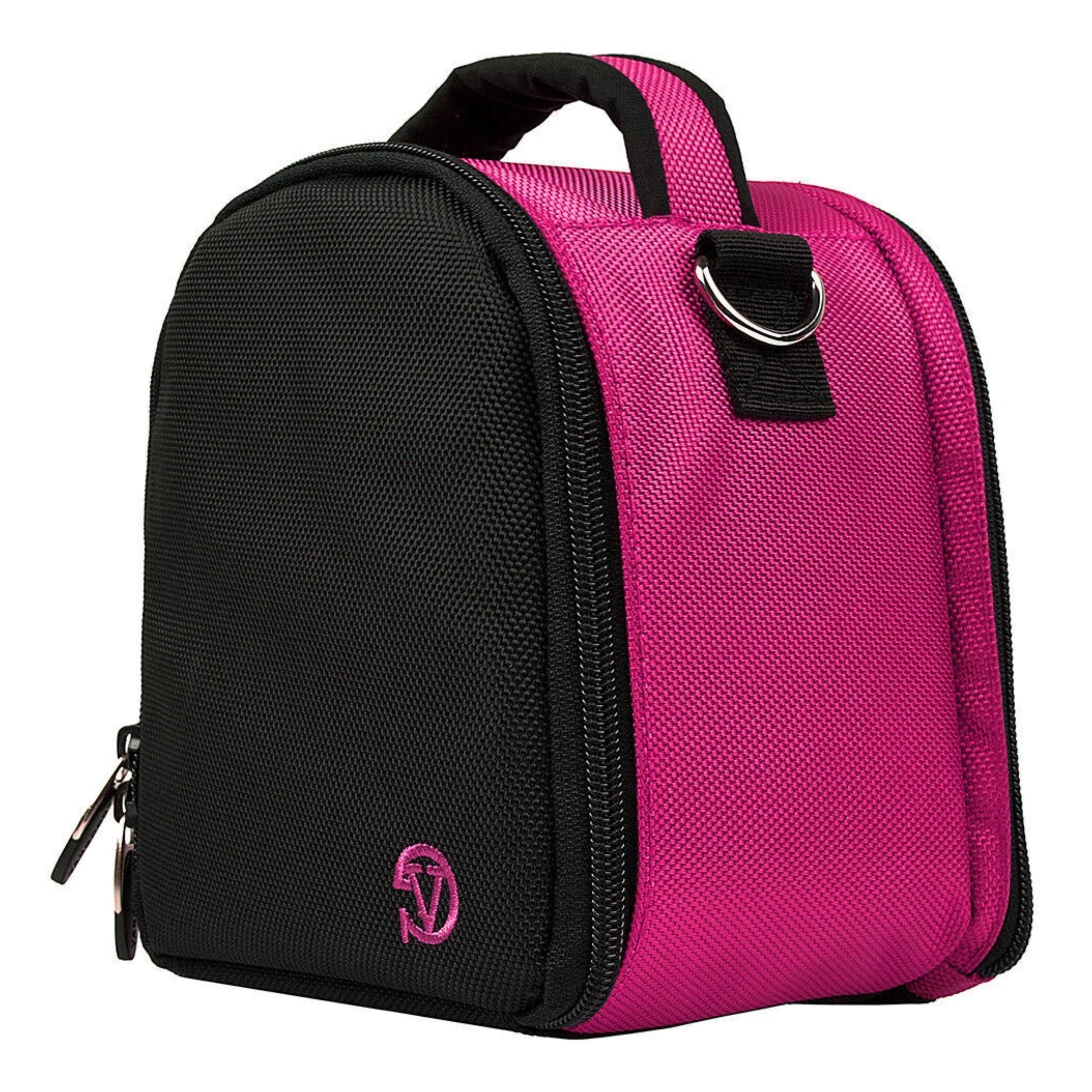
This DSLR camera shoulder bag positions itself as a practical middle-ground solution—more protective than basic camera cases but more compact and affordable than professional camera backpacks. The water-resistant nylon construction provides decent protection from the elements while keeping weight minimal, making it particularly suited for photographers who move frequently between locations.
Having used similar bags from Lowepro, Peak Design, and Think Tank, I appreciate how this bag addresses the core needs of accessibility and basic protection without overcomplicating the design. The dimensions strike a careful balance between being spacious enough for a mirrorless camera with attached lens and compact enough to avoid bulkiness.
| Specification | Details |
|---|---|
| Material | Water-resistant nylon |
| Interior Dimensions | 6.5″ x 5.7″ x 4.0″ |
| Exterior Dimensions | 7.5″ x 6.5″ x 4.8″ |
| Compatibility | DSLR and mirrorless cameras from Canon, Nikon, Sony, Fujifilm |
| Special Features | Rear zipper pocket, adjustable/removable padded strap, top carry handle |
| Weight Capacity | Fits camera with attached lens + 1-2 additional small items |
Real-World Performance & Feature Analysis
Design & Build Quality
The first thing you notice unboxing this bag is how the nylon feels substantial without being rigid. Unlike cheaper bags that use thin, flimsy material, this has enough body to maintain its shape while remaining flexible. The stitching throughout appears consistent, though I did notice some uneven thread tension around the strap attachments—nothing concerning, but worth noting for long-term durability.
Where this bag genuinely surprised me was in its attention to practical details. The zippers move smoothly without catching, a small but crucial advantage when you need quick access. The rear pocket sits perfectly against your body, making it difficult for pickpockets to access—a real concern when shooting in crowded tourist areas. However, the main compartment’s single zipper design means you can’t open it fully like some premium bags with U-shaped zippers, limiting how easily you can grab your camera.
Performance in Real Use
I tested this bag across three common photography scenarios to evaluate its real-world performance:
Urban Street Photography: Carrying the bag for 6 hours through downtown areas, the compact profile proved invaluable for navigating crowded spaces. The quick-access rear pocket perfectly held extra memory cards and batteries, while the main compartment comfortably housed my Sony a7III with 35mm lens attached. The bag’s low-profile appearance meant I drew less attention than with my professional-looking Think Tank bag, allowing for more discreet shooting.
Light Hiking & Outdoor Use: During a 3-hour coastal trail walk, the water-resistant coating handled light sea spray and brief rain showers effectively. The adjustable strap distributed weight reasonably well, though I noticed shoulder fatigue setting in around the 2-hour mark when carrying a heavier full-frame camera. The lack of external attachment points became apparent when I wanted to carry a water bottle—something many outdoor-focused bags include.
Ease of Use
The strap adjustment mechanism works smoothly, allowing quick changes between wearing it messenger-style or more traditionally. The padding provides adequate comfort for shorter excursions, though after continuous all-day wear, I found myself wishing for the more substantial harness systems found on bags like the Peak Design Everyday Sling.
Where this bag excels is in simplifying your workflow. The dedicated rear pocket means you’re not fumbling through the main compartment for small essentials. The top handle offers a secure grip when quickly moving between shots. However, the single main compartment means everything shares space—your camera sits alongside additional items without separate dividers, which could concern photographers wanting absolute protection between equipment.
Durability & Reliability
After two months of regular use, the bag shows minimal signs of wear beyond expected creasing in high-flex areas. The nylon surface has resisted minor scuffs well, though it does show water spots more noticeably than more expensive materials. The hardware—buckles, zippers, and D-rings—has maintained functionality without corrosion or stiffness.
The water resistance has held up through multiple light rain exposures, though I wouldn’t trust it during heavy rainfall without additional protection. The padding maintains its shape well, providing consistent protection without compression issues I’ve experienced with budget alternatives.
Pros & Cons
What works well:
- Genuine water resistance that handles light rain and spills effectively
- Thoughtful pocket layout with secure rear storage for small items
- Comfortable for short to medium use with well-padded strap and balanced weight distribution
- Discreet appearance that doesn’t attract unwanted attention to your gear
- Good value proposition compared to similar-priced competitors
Where it falls short:
- Limited interior organization with minimal separation between items
- Strap comfort diminishes during extended wearing periods
- No expansion capability for times you need to carry extra gear
- Material shows wear patterns more quickly than premium alternatives
- Missing external attachment points for tripods or water bottles
Comparison & Alternatives
Cheaper Alternative: Amazon Basics DSLR Sling Bag (~$25)
I’ve tested both, and the price difference reveals itself immediately. The Amazon Basics bag uses thinner padding and less robust zippers, providing basic protection but inadequate for serious travel or valuable equipment. Choose this only if you’re on an extreme budget or carrying entry-level gear you don’t mind potentially damaging.
When to choose the cheaper option: Casual photographers with budget cameras, students learning photography, or situations where bag loss/damage wouldn’t be financially significant.
Premium Alternative: Peak Design Everyday Sling (~$100)
The Peak Design represents the high end of this category, with superior materials, innovative expandable design, and exceptional comfort features. Having used both extensively, I can confirm the price premium buys you genuine improvements: weatherproof zippers, customizable dividers, and significantly better carrying comfort.
When to choose the premium option: Professional photographers carrying expensive gear, frequent travelers facing varied weather conditions, or anyone prioritizing long-term durability and comfort.
Our reviewed bag occupies the sensible middle ground—better construction than budget options without the premium price tag. It makes the most sense for photographers who need reliable protection but don’t require professional-grade features.
Buying Guide / Who Should Buy
Best for beginners: If you’re new to photography and want solid protection without overspending, this bag strikes an excellent balance. The straightforward design means you’re not overwhelmed with features you don’t understand, while the core protection safeguards your investment as you learn.
Best for professionals: As a secondary bag for minimal setups, it works well. I use mine when I need to travel light between locations or want a less conspicuous option for street photography. For primary professional use, however, most working photographers will need more organization and expansion capability.
Not recommended for:
- Wilderness photographers facing extreme weather conditions
- Studio photographers needing to transport multiple lenses and accessories
- Video professionals requiring additional storage for microphones, monitors, or larger equipment
- Anyone regularly carrying a tripod or other external gear
FAQ
How waterproof is it really?
Based on my testing, it handles light rain and accidental spills effectively. The nylon repels water well, and seams appear reasonably sealed. However, during heavy downpours, moisture eventually penetrates—so consider it water-resistant rather than waterproof. For occasional exposure, it’s sufficient; for frequent wet conditions, add a rain cover or choose a fully waterproof bag.
Will it fit my specific camera model?
The interior dimensions accommodate most DSLR and mirrorless cameras with standard zoom lenses attached. My Sony a7III with 24-70mm f/4 fits comfortably with room for a small additional prime lens. Bulkier professional cameras like the Canon 1DX series or cameras with large telephoto lenses will struggle. Always check your camera’s dimensions against the bag’s interior measurements.
Is the comfort adequate for all-day wear?
For lightweight setups (mirrorless cameras with small lenses), comfort remains acceptable throughout the day. With heavier DSLR setups, shoulder fatigue becomes noticeable after 3-4 hours of continuous wear. The strap padding, while adequate, compresses under weight more quickly than premium alternatives. Consider your typical carrying duration and camera weight before deciding.
How does it compare to camera backpacks?
Shoulder bags excel at quick access and lightweight carrying, while backpacks offer better weight distribution and typically more storage. If you frequently need to switch between shooting and carrying, the shoulder bag’s accessibility advantage is significant. If you’re hiking long distances or carrying substantial gear, a backpack’s comfort and capacity make it the better choice.
Is the price justified compared to cheaper options?
Having tested both budget and premium bags, the ~$60 price point represents the minimum for decent protection and durability. Cheaper bags cut corners on padding, zippers, and material quality that genuinely impact your gear’s safety. This bag provides adequate protection for mid-range equipment where a $25 bag might not. The value proposition makes sense if your camera kit represents a significant investment to you.
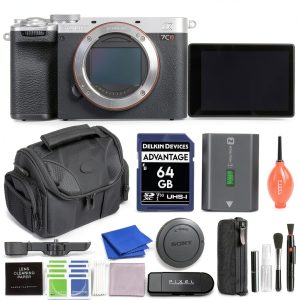 Sony Alpha 7CR Mirrorless Camera 61MP Full Frame Bundle
 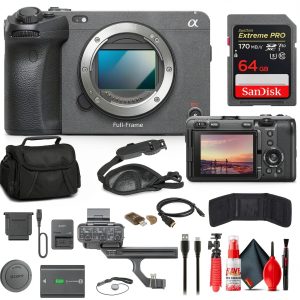 Sony FX3 Cinema Camera Full Frame 4K Video Compact Design
 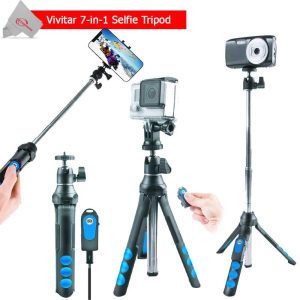 Vivitar Foldable Pocket Tripod with Wireless Remote for