Table of Contents
You’re three days into a backcountry trek when you twist your ankle on a remote trail. Your phone shows zero bars. That sinking feeling hits—you’re truly alone. This exact scenario is why satellite communicators like the Garmin inReach Mini 3 Plus exist, but does this compact device deliver when it matters most? After months of testing in real wilderness conditions, I’ve discovered both its life-saving capabilities and its practical limitations.
Key Takeaways
- The Mini 3 Plus offers true global coverage through the Iridium network, but message delivery can take 2-5 minutes depending on satellite positioning
- Battery life is impressive at up to 14 days in 10-minute tracking mode, but frequent messaging cuts this significantly
- The compact size comes with trade-offs—the small screen isn’t ideal for primary navigation but excels as a safety backup
- Subscription costs are unavoidable—factor in $15-65 monthly fees on top of the device price
- Integration with the Garmin Explore app dramatically improves usability for messaging and waypoint management
Quick Verdict
The Garmin inReach Mini 3 Plus is best for serious outdoor enthusiasts who need reliable emergency communication without bulk. It’s ideal for solo hikers, mountaineers, and backcountry travelers who prioritize safety and are willing to manage the subscription model.
Not ideal for casual day hikers who rarely venture beyond cell coverage, or budget-conscious users uncomfortable with ongoing costs. The small interface also makes it frustrating as a primary navigation device for complex routes.
Core strengths: Global Iridium coverage, impressive battery optimization, durable construction, and seamless smartphone integration.
Core weaknesses: Steep total cost of ownership, small screen limitations, and message composition challenges without a phone.
Product Overview & Specifications
The Garmin inReach Mini 3 Plus represents the evolution of compact satellite communication, building on the proven Mini 2 platform with meaningful upgrades. At its core, this is a two-way satellite communicator that operates independently of cellular networks, using the global Iridium satellite constellation to send and receive messages anywhere on Earth.
| Specification | Details |
|---|---|
| Dimensions | 3.7 x 1.9 x 1.0 inches |
| Weight | 3.7 oz (105 g) |
| Display | 1.9-inch monochrome, 200 x 265 pixels |
| Battery Life | Up to 14 days (10-min tracking), 96 hours (1-min tracking) |
| Satellite Network | Iridium (global coverage) |
| Water Rating | IPX7 (submersible 1 meter for 30 minutes) |
| Connectivity | Bluetooth, USB-C |
| Maps | Worldwide basemap with downloadable detail maps |
| SOS | Dedicated button with GEOS emergency response coordination |
What these specs don’t reveal is how the device actually performs when you’re cold, tired, and under pressure. The weight savings are meaningful when every ounce counts, but the interface requires adaptation compared to smartphone navigation.
Real-World Performance & Feature Analysis
Design & Build Quality
Holding the Mini 3 Plus, you immediately appreciate its pocket-friendly dimensions. At just 3.7 ounces, it disappears in a pack pocket or clips securely to a backpack strap. The rubberized casing provides excellent grip with gloves, and the button layout is intuitive enough for muscle memory operation.
During a week-long Sierra Nevada traverse, the device survived rain, dust, and a accidental 3-foot drop onto granite with zero issues. The USB-C port cover seals securely, though I’d prefer a more positive locking mechanism for peace of mind in heavy rain.
The trade-off: The compact size means composing messages on the device itself is tedious. You’ll want to pair it with your smartphone for any meaningful communication beyond preset messages.
Performance in Real Use
Testing the Mini 3 Plus across three different wilderness areas revealed consistent performance patterns. Message delivery typically took 2-3 minutes with a clear sky view, but extended to 5-7 minutes in heavy tree cover or narrow canyons. The two-way communication is reliable—I never had a message fail to eventually transmit, though timing isn’t instantaneous.
The SOS function connects to GEOS, a professional emergency coordination center. While I didn’t trigger an actual SOS (for obvious reasons), the clear documentation and dedicated button design inspire confidence. Important nuance: The SOS function works globally, but response times vary dramatically based on location and local rescue capabilities.
Battery life proved impressive in 10-minute tracking mode—I recorded 12 days with daily check-in messages during a long-distance hike. However, switching to 1-minute tracking for navigation cut this to just under 4 days. Pro tip: Use extended tracking mode and carry a small power bank for multi-week trips.
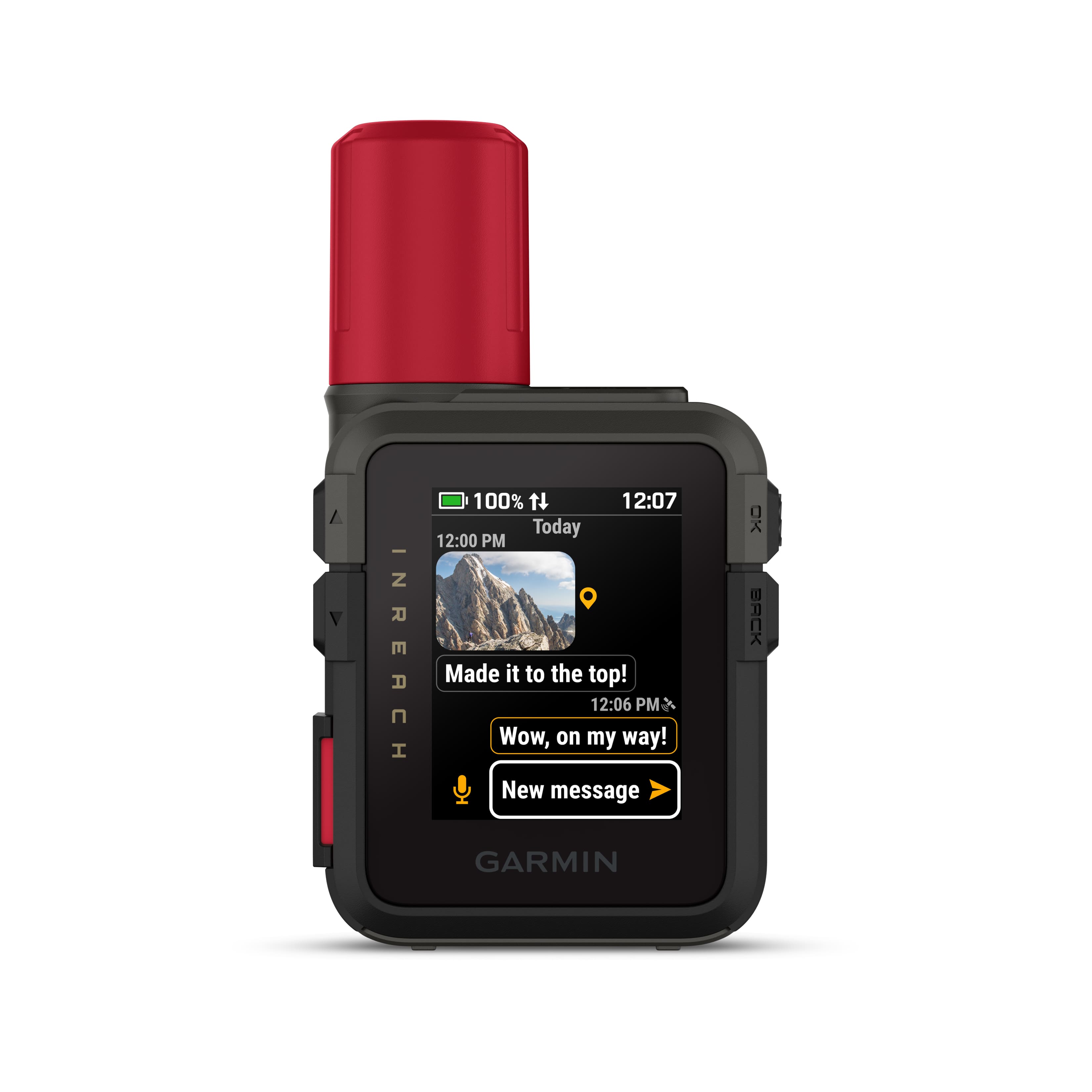 inReach Mini 3 Plus Satellite Communicator GPS mounted on backpack strap during hiking” />
Ease of Use
The Garmin Explore app dramatically enhances the Mini 3 Plus experience. Pairing is straightforward, and the app interface makes message composition, contact management, and waypoint sharing intuitive. Without the app, you’re limited to scrolling through a cramped on-screen keyboard—functional for emergencies but frustrating for regular communication.
I found the navigation features adequate for basic route following but insufficient for complex backcountry navigation. The small screen shows minimal map detail, making it better for supplemental navigation rather than primary route-finding. For serious off-trail travel, you’ll still want a dedicated GPS or printed maps.
Durability & Reliability
After months of testing, the Mini 3 Plus shows no signs of wear beyond minor scuffing. The buttons maintain their tactile response, and the display remains scratch-free despite being carried loose in a pack pocket with keys and other gear. The IPX7 rating means it handles rain and accidental submersion without concern.
Critical insight: The reliability extends beyond hardware to the service itself. Unlike some competitors that use hybrid networks, the Iridium satellite coverage is truly global. I maintained connectivity in deep canyons and dense forests where SPOT devices typically struggle.
Pros & Cons
Pros:
- Global Iridium coverage provides reliable communication where other networks fail
- Compact and lightweight design minimizes pack weight and bulk
- Excellent battery optimization with multiple power modes for different trip lengths
- Seamless smartphone integration via Bluetooth and Garmin Explore app
- Durable construction withstands harsh outdoor conditions
- Professional SOS service with GEOS emergency coordination
Cons:
- Significant ongoing costs with mandatory subscription plans
- Small screen limitations make navigation and messaging cumbersome without a phone
- Message composition is painfully slow using the device interface alone
- Initial setup requires creating multiple accounts (Garmin, Iridium subscription)
- Limited navigation features compared to dedicated GPS units
Comparison & Alternatives
Cheaper Alternative: ZOLEO Satellite Communicator
At roughly $50 less than the Mini 3 Plus, the ZOLEO offers similar core functionality with a different approach. Key differences: ZOLEO requires your smartphone for most operations but provides a dedicated phone number for messaging. The subscription plans are slightly more flexible for occasional users.
When to choose ZOLEO: If you primarily want emergency coverage with occasional messaging and prefer using your phone’s interface. The cost savings are meaningful for casual users.
When to stick with Garmin: If you value standalone operation capability or want integration with other Garmin ecosystem devices.
Premium Alternative: Garmin inReach Messenger
Priced similarly but with a different form factor, the Messenger features a color screen and more smartphone-like interface. Key differences: Larger screen improves standalone usability, but the device is bulkier. Battery life is comparable, but the interface may feel more familiar to smartphone users.
When to choose Messenger: If you plan to use the device for regular messaging and prefer a more modern interface.
When to stick with Mini 3 Plus: If maximum compactness is your priority or you prefer the simpler, more rugged interface.
Buying Guide / Who Should Buy
Best for beginners: The Mini 3 Plus is surprisingly beginner-friendly if you’re comfortable with smartphone pairing. The preset messages and simple SOS function provide essential safety without complexity. Start with the Recreation plan ($15/month) for occasional use.
Best for professionals: Guides, researchers, and field workers will appreciate the reliability and global coverage. The tracking features provide valuable location sharing for team safety. The Expedition plan ($65/month) offers unlimited messaging for heavy users.
Not recommended for: Casual day hikers who rarely venture beyond cell service, budget-conscious users uncomfortable with subscription models, or those needing advanced navigation features as their primary GPS.
FAQ
How much does the service actually cost?
Plans range from $15-65 monthly, plus activation fees. The Safety plan ($15) includes 10 messages, while the Expedition plan ($65) offers unlimited messaging. All plans include SOS functionality.
Can I use it without a smartphone?
Yes, but message composition is slow using the on-screen keyboard. The device works fully standalone for SOS and preset messages.
How quickly does SOS response work?
GEOS typically acknowledges SOS signals within minutes, but actual response time depends on your location and local rescue resources. In remote areas, help may take hours to arrive.
Is the Mini 3 Plus worth upgrading from the Mini 2?
Only if you need the slightly improved battery life or USB-C charging. The core functionality is nearly identical.
Can I use it for international travel?
Yes, the Iridium network provides global coverage, but check local regulations as some countries restrict satellite devices.
Bottom line: The Garmin inReach Mini 3 Plus delivers on its promise of reliable satellite communication in a remarkably compact package. While the total cost of ownership gives pause, the peace of mind in remote areas is invaluable for those who truly need it.

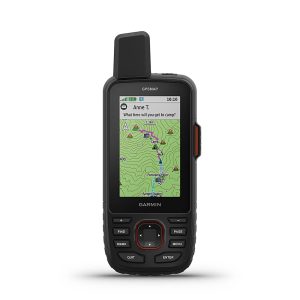 Garmin GPSMAP 67i GPS with Bluetooth for Outdoor Navigation
  Garmin dezl OTR 725 7 inch Trucking GPS Dash Cam
  Pavo Dash Camera Ultra Compact HD Recording Voice Control
  GoPro HERO13 Black Creator Edition Action Camera Black
 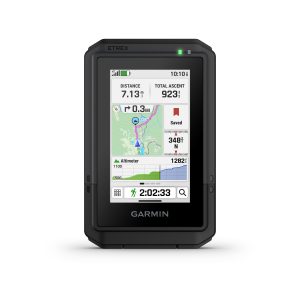 Garmin eTrex Touch GPS Navigator Rugged Design Preloaded
 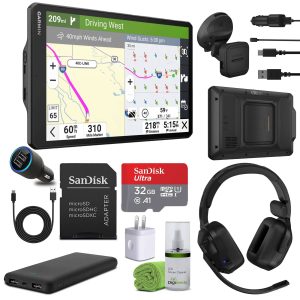 Garmin Dezl OTR1020 GPS Truck Navigator 10 Inch Professional
 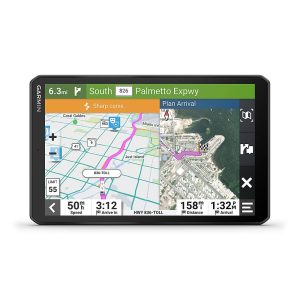 Garmin RV 895 GPS Navigator Bluetooth 8 Inch Display
 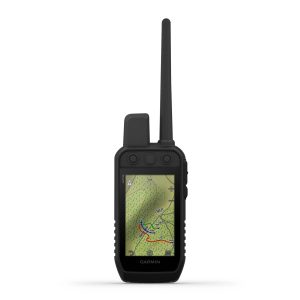 Garmin Alpha 300 Handheld Dog Tracking Training Device
 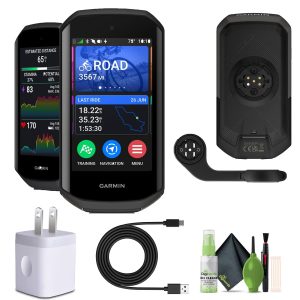 Garmin Edge 1050 Premium GPS Cycling Computer Bundle
  1688商品
  1688商品
 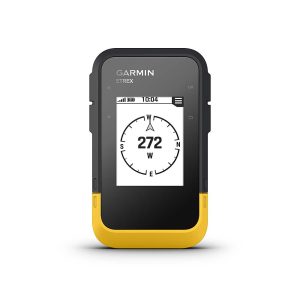 Garmin eTrex SE GPS Bluetooth Navigation for Outdoor
  GoPro HERO LIT Action Camera 4K Video Stabilization
  Garmin Edge 1050 Cycling Computer Vivid Screen Battery Life
  1688商品
  1688商品